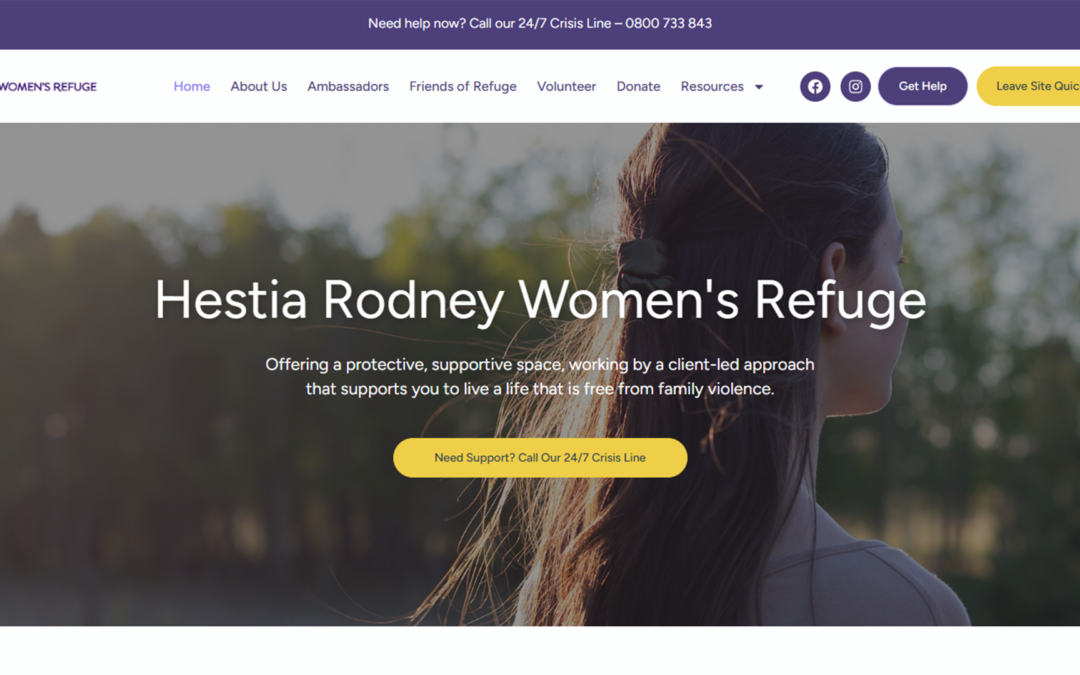

The web is currently drowning in generic, AI-generated slop. Automated site builders and one-click AI copywriters have made it effortless to launch a slick-looking website in an afternoon, but they all share the exact same flaw: they sound and feel completely synthetic.
For New Zealand small businesses, this digital homogenisation presents a massive competitive opportunity. Kiwis have a famously sharp BS detector. When a local customer lands on a site filled with generic stock photos of American corporate boardrooms and robotic text like “we deliver tailored, industry-leading solutions,” they immediately back-click. In an automated world, human authenticity isn’t just a design choice, it’s your highest-converting sales tool.
The “Pedigree First” Conversion Framework
The single biggest blunder local businesses make is asking visitors for a conversion (filling out a quote form or booking a call) before demonstrating clear value and pedigree. A prospective customer needs to know you are legitimate, established, and capable before handing over their personal information.
If your website design doesn’t answer these six pedigree questions within the first five seconds, your conversion rate will bleed money:
-
How long have you been operating? Longevity equals trust. Stating “Serving the Canterbury region for over 12 years” instantly mitigates risk for the buyer.
-
What specific products or services do you provide? Avoid vague service buckets. Explicitly list what you do and who you do it for using plain language.
-
What is your actual value proposition? Answer the core question: Why should I hire you over the three other local competitors I just opened in separate tabs?
-
Do real local customers recommend you? Generic text quotes carry little weight today. Third-party proof (like live Google Reviews embeds) must be visible right where visitors make decisions.
-
Are you reputable? Highlight local industry accreditations, site safe credentials, master trade badges, or regional awards.
-
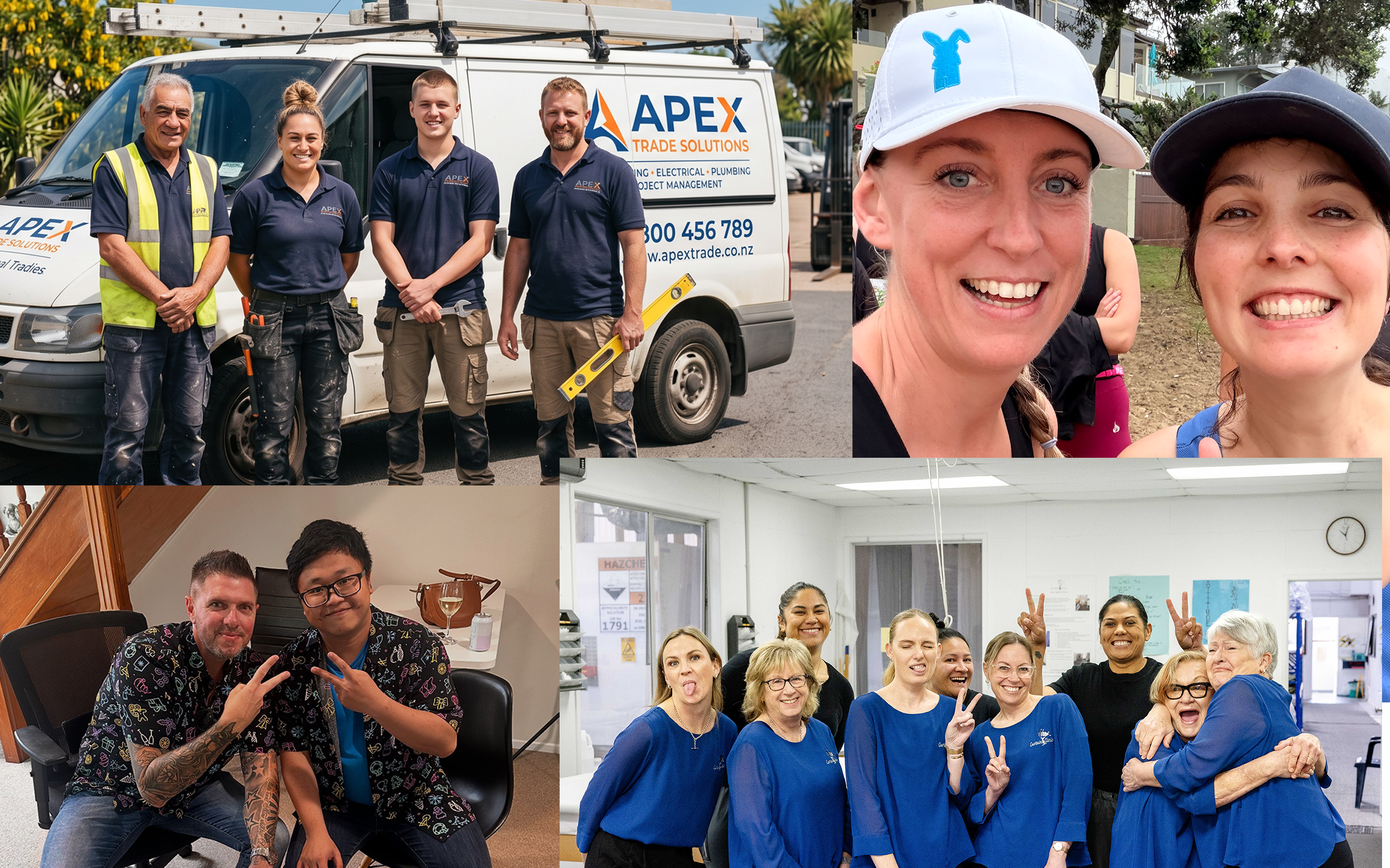
Are you a real, local human? A photo of a friendly face in a branded polo shirt builds more trust than any multi-thousand-dollar custom graphic ever could.
The 2-Minute Harper Digital Conversion Audit
Over 12 years of designing and optimising local business websites in New Zealand reveals that complex user journeys often fail where simple design rules succeed. You can evaluate whether a site will generate real leads by running this 2-minute diagnostic:
1. Is the phone number in the top right corner?
Friction kills conversions. Eye-tracking studies consistently show that site visitors scan in an “F-pattern,” looking to the top right header for immediate contact information.
-
Desktop: Ensure a bold, easily readable phone number sits in the top right header on every page.
-
Mobile: Make it a “tap-to-call” button that stays pinned or clearly visible without scrolling. If a customer on a mobile phone has to search through your menu to find a phone number, you’ve already lost the job.
2. Does your “About Us” page feature real people?
The “About Us” page is almost always in the top three most visited pages on a local service website. Why? Because Kiwis don’t buy from logos; they buy from people.
If your “About Us” page contains a wall of generic text accompanied by a stock image of a lightbulb or a handshake, you are eroding trust. Replace it with a candid team photo, a brief story of how the business started, and direct bios of the key people answering the phone and doing the work.
5 Pillars of the “Anti-AI” Local Website
To stand out in a sea of automated, cookie-cutter templates, your website needs to double down on elements that an AI generator cannot fake.
1. Ditch Stock Imagery for Real Local Work
Generic stock models signal a faceless corporation or an offshore outfit. Show up with real, authentic media:
-
Photos of your branded vans or work vehicles parked on job sites.
-
Unfiltered shots of your local workshop, office, or storefront.
-
Candid photos of your team actively working on recognisable local projects.
2. Write How You Actually Speak to Customers
Drop the corporate jargon and stiff marketing speak. If you wouldn’t say a sentence to a customer while standing on their driveway or sitting in their living room, don’t put it on your home page.
-
Use active, direct tone.
-
Address local customer pain points straight away.
-
Speak directly to the specific region or town you serve.
3. Embed Hyper-Local Context
Both human visitors and search engines reward hyper-specific local relevance over broad advice.
-
Frame your services around specific local conditions (e.g., “Roofing solutions built to withstand Wellington winds” or “Retaining walls engineered for Auckland clay”).
-
Mention local suburbs, landmarks, and regional supply partners.
4. Provide Direct, Named Contact Points
Faceless contact forms feel like communication black holes. Humanise your enquiry process:
-
Instead of
[email protected], use named contacts where possible or direct phone extensions. -
Add a micro-copy line below your form like: “When you submit this form, Dave or Kelly from our Rosedale office will call you back within 2 business hours.”
5. Leverage Unfiltered Local Proof
Third-party social proof is your strongest defense against consumer skepticism:
-
Embed a live Google Reviews widget that displays unfiltered, recent local feedback.
-
Include brief, 30-second smartphone video walk-throughs of completed jobs or quick client shout-outs. Raw, unedited video converts far better than polished corporate promo reels.
The 4-Step Website Authenticity Overhaul You Can Do Today
You don’t need a full website rebuild to start converting more local leads today. Focus on this four-step priority checklist:
| Priority | Action Item | High-Impact Result |
|---|---|---|
| Step 1 | Header Fix | Move your phone number to the top right corner and make it tap-to-call on mobile. |
| Step 2 | Hero Section Update | Swap out hero stock images on the home page for a real photo of your team or branded gear. |
| Step 3 | Humanize “About” Page | Add real headshots/team photos and rewrite the founder story in plain, conversational English. |
| Step 4 | Add Pedigree Signals | Place local badges, years in business, and real Google reviews right above your primary contact form. |
When your competitors rely on cheap, automated shortcuts, leaning heavily into your physical reality, local roots, and real people is the single fastest way to earn trust, outrank local rivals, and win the customer.